Why Travel Safety in the UAE Is Critical in 2026
Travel safety in the UAE is a growing concern in 2026 due to regional tensions, strict laws, climate risks, and cyber threats. Read the full analysis.
 Mahfuz Hosen
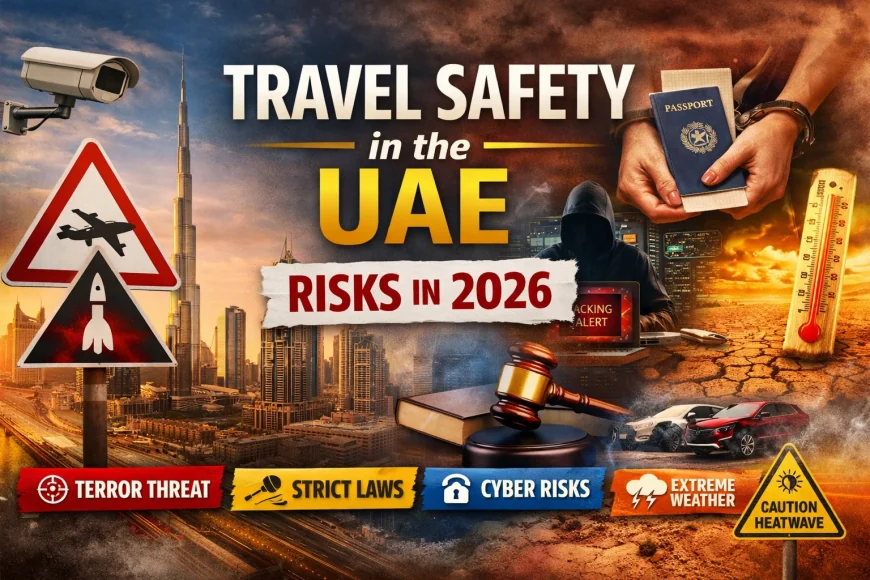
Travel safety in the United Arab Emirates (UAE) has become a critical global discussion point in 2026 due to a convergence of geopolitical, legal, technological, environmental, and social factors. While the UAE continues to rank among the safest destinations in the Middle East, the evolving global landscape means that “safe” no longer means “risk-free.” For travelers, businesses, governments, and travel platforms like Next Destina, understanding these risks is now essential rather than optional.
Below is a clear, news-style breakdown of why UAE travel safety matters more than ever in 2026.
1. Escalating Regional Geopolitical Tensions
The UAE sits at the heart of one of the world’s most geopolitically sensitive regions. In 2026:
-
Conflicts involving Israel, Iran, Yemen, and Red Sea shipping routes continue to affect Gulf security dynamics.
-
Missile, drone, and cyber-threat warnings—though often precautionary—have increased in frequency.
-
Western governments regularly update travel advisories, urging heightened awareness rather than complacency.
Even when incidents do not occur inside the UAE, regional spillover risks impact aviation routes, maritime logistics, and public security alerts—directly affecting tourists.
Why it matters:
Travelers today are more risk-aware, and geopolitical uncertainty influences travel decisions, insurance coverage, and airline operations.
2. Increased Global Terrorism Alert Sensitivity
While the UAE has strong counter-terrorism systems, its global visibility makes it a symbolic target:
-
Major landmarks, luxury hotels, malls, and international events attract global attention.
-
Advisory notices in recent years have highlighted potential risks to crowded public places.
-
Diplomatic alliances and international military cooperation increase perceived exposure.
Why it matters:
Even low-probability threats have high impact consequences, forcing travelers to rethink safety planning, accommodation choices, and movement patterns.
3. Strict Laws Pose Unfamiliar Risks for Tourists
Unlike many Western destinations, the UAE enforces strict legal and moral codes, which remain a top safety concern in 2026:
-
Social media posts, comments, or photos can result in legal action.
-
Alcohol consumption, public behavior, and relationships are regulated.
-
Prescription medications common abroad may be illegal without permits.
-
Financial disputes (e.g., unpaid hotel bills, bounced checks) can become criminal matters.
Why it matters:
Many safety risks in the UAE are legal rather than physical, catching uninformed travelers off guard.
4. Rising Digital and Cybersecurity Risks
In 2026, travel safety goes beyond streets and borders:
-
Public Wi-Fi usage exposes tourists to cyber fraud, data theft, and scams.
-
Fake job offers, visa scams, and accommodation fraud targeting UAE travelers have increased.
-
Strict cybercrime laws mean victims can also face legal complications.
Why it matters:
Digital safety is now inseparable from physical travel safety—especially in a hyper-connected country like the UAE.
5. Climate Extremes and Environmental Risks
Climate conditions are becoming more severe:
-
Extreme heat waves pose serious health risks, especially for elderly travelers and outdoor workers.
-
Sudden heavy rainfall can cause flash flooding and road hazards.
-
Desert tourism activities carry risks of dehydration, vehicle breakdowns, and isolation.
Why it matters:
Environmental risks are increasingly life-threatening, not just uncomfortable, especially for unprepared tourists.
6. Transportation and Road Safety Concerns
Despite world-class infrastructure:
-
High-speed driving culture leads to serious road accidents.
-
Tourists unfamiliar with local driving norms face increased risk.
-
Flight disruptions due to regional airspace changes affect travel reliability.
Why it matters:
Road accidents consistently rank higher than crime as a safety concern among residents and visitors alike.
7. Changing Traveler Profiles in 2026
The UAE now hosts:
-
More solo travelers, digital nomads, and remote workers
-
Short-term visitors combining tourism with business
-
First-time travelers from Asia and Africa unfamiliar with Gulf norms
Why it matters:
New traveler demographics mean new safety challenges, especially around cultural awareness and legal compliance.
8. Insurance and Liability Gaps
Many travelers assume they are covered—but in 2026:
-
Standard travel insurance may exclude geopolitical disruptions.
-
Medical care is excellent but extremely expensive without coverage.
-
Emergency evacuation costs can be financially devastating.
Why it matters:
Safety planning now includes financial survival, not just physical security.
9. Reputation Risk for Travel Platforms and Media
For travel companies, publishers, and platforms like Next Destina:
-
Providing outdated or incomplete safety information can damage trust.
-
Travelers expect transparent, data-driven safety reporting.
-
SEO-driven searches like “Is UAE safe in 2026?” are rapidly increasing.
Why it matters:
Travel safety content is no longer optional—it’s a credibility requirement.
Conclusion: Safety Is No Longer a Side Note
In 2026, travel safety in the UAE is a critical topic because:
✔ Global tensions affect even stable countries
✔ Legal risks can outweigh physical threats
✔ Digital, climate, and health risks are rising
✔ Travelers demand clarity, not reassurance alone
The UAE remains a modern, secure, and attractive destination, but safe travel now depends on awareness, preparation, and responsible behavior. Understanding these realities empowers travelers to enjoy the UAE confidently—without unnecessary risk.