
How to Get a Work Permit Visa in Canada
Learn how to get a Canada work permit visa step-by-step in 2025. Eligibility, LMIA, open work permit, processing time & PR pathway. Visit NextDestina for expert guidance.
 Mahfuz Hosen
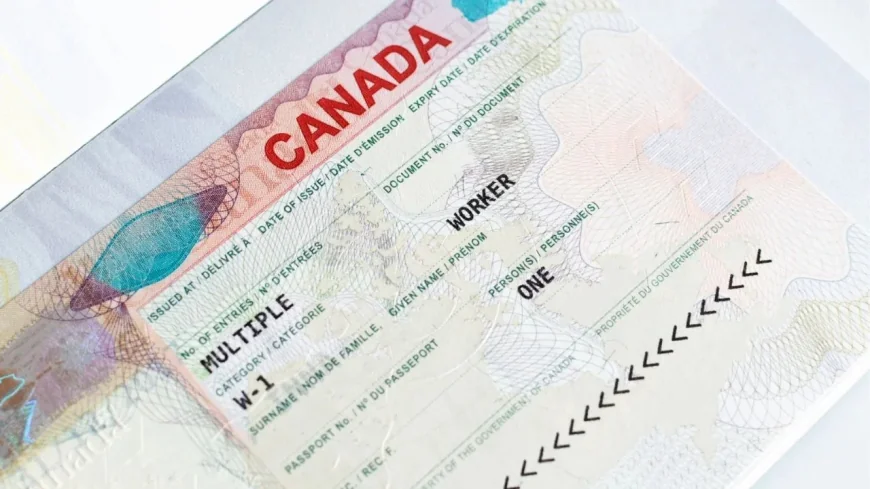
Canada is one of the most popular destinations in the world for foreign workers. With a strong economy, high salaries, excellent healthcare, and a multicultural environment, thousands of people apply for a Canada work permit visa every year. If you are planning to work in Canada in 2025, this detailed guide will walk you through everything you need to know—from eligibility and document requirements to application steps and pathways to permanent residency.
✅ What Is a Canada Work Permit?
A Canada work permit is an official document issued by the Canadian government that allows foreign nationals to work legally in Canada for a specific period.
There are two main types of work permits:
-
Employer-Specific Work Permit
-
Open Work Permit
Each has different requirements and benefits, which we will explain in detail below.
✅ Types of Canada Work Permits
1️⃣ Employer-Specific Work Permit (LMIA Based)
This permit allows you to work:
-
For one specific employer
-
At a specific location
-
For a fixed duration
In most cases, the employer must obtain a Labour Market Impact Assessment (LMIA) to prove that no Canadian citizen or permanent resident is available for the job.
2️⃣ Open Work Permit (No LMIA Required)
This permit allows you to:
-
Work for any employer
-
Change jobs freely
-
Work in different provinces
Common applicants for open work permits:
-
International students’ spouses
-
Permanent residence applicants
-
Refugees
-
International graduates (PGWP)
✅ Who Is Eligible for a Canada Work Permit?
To qualify for a Canadian work permit, you must:
-
Have a valid passport
-
Prove you will leave Canada after your permit expires
-
Show sufficient funds to support yourself
-
Have no criminal record
-
Be in good medical condition
-
Not work for an ineligible employer
Additional requirements may apply depending on your country and job category.
✅ Step-by-Step Process to Get a Canada Work Permit Visa
🔹 Step 1: Get a Valid Job Offer
You must secure a job offer from a Canadian employer. This is the most important step. Your job offer letter must include:
-
Job title and duties
-
Salary and working hours
-
Duration of employment
-
Employer’s business details
🔹 Step 2: Employer Applies for LMIA (If Required)
If your job requires an LMIA:
-
The employer applies to Employment and Social Development Canada (ESDC)
-
Processing time: 2–8 weeks
-
Once approved, you will receive:
-
LMIA number
-
Job offer letter
-
Some jobs are LMIA-exempt, such as:
-
Intra-company transfers
-
International agreements (NAFTA, GATS)
-
Spousal open work permits
🔹 Step 3: Prepare Your Documents
Required documents usually include:
-
Valid passport
-
Job offer letter
-
LMIA approval (if applicable)
-
Proof of work experience
-
Educational certificates
-
Police clearance certificate
-
Medical exam report
-
Proof of funds
-
Visa application photos
🔹 Step 4: Apply Online for Work Permit
You must apply through the official IRCC (Immigration, Refugees and Citizenship Canada) website.
Application steps:
-
Create IRCC account
-
Upload all documents
-
Pay processing fee
-
Submit application
-
Book biometrics appointment
🔹 Step 5: Biometrics & Medical Exam
You must:
-
Provide fingerprints and photo
-
Complete a medical examination from an IRCC-approved doctor
🔹 Step 6: Wait for Visa Decision
Processing time varies by country:
-
Asia: 4–12 weeks
-
Middle East: 6–14 weeks
-
Africa: 8–16 weeks
Once approved, you will get:
-
Port of Entry Letter
-
Work permit issued at airport upon arrival
✅ Canada Work Permit Fees (2025)
| Category | Fee (CAD) |
|---|---|
| Work Permit Processing | $155 |
| Open Work Permit Holder Fee | $100 |
| Biometrics | $85 |
| Medical Exam | $80–$200 (varies) |
✅ Top In-Demand Jobs in Canada (2025)
Canada has massive labor demand in:
-
IT & Software Developers
-
Truck Drivers
-
Construction Workers
-
Nurses & Caregivers
-
Electricians
-
Welders
-
Restaurant & Hotel Staff
-
Farm Workers
-
Cleaners
These jobs provide excellent opportunities for foreign workers to secure work permits quickly.
✅ Can a Canada Work Permit Lead to Permanent Residency?
✅ YES! A work permit is one of the best pathways to Canadian PR.
After working in Canada, you may qualify under:
-
Express Entry (CEC Program)
-
Provincial Nominee Program (PNP)
-
Atlantic Immigration Program
-
Rural Immigration Program
With 1–2 years of Canadian work experience, your PR chances increase significantly.
✅ Canada Open Work Permit for Spouse
If you are working or studying in Canada, your spouse can apply for an open work permit. Benefits include:
-
No job offer required
-
Freedom to work anywhere
-
Better settlement support
-
Pathway to PR together
✅ Common Reasons for Work Permit Refusal
-
Weak job offer
-
Insufficient funds
-
Fake documents
-
Poor travel history
-
Doubt about returning home
-
Employer blacklisted
To avoid rejection, always submit strong documentation and real job offers.
✅ Tips to Increase Your Approval Chances
-
Apply with a genuine job offer
-
Choose in-demand occupations
-
Provide financial proof
-
Show strong ties to home country
-
Ensure all documents are accurate and complete
✅ Final Words
A Canada work permit visa is one of the fastest and most powerful ways to enter Canada legally, earn high income, and build a future that can lead to permanent residency. Thousands of workers every year successfully move to Canada through employer sponsorship and LMIA-based jobs.
If you prepare your documents properly, secure a real job offer, and apply through the correct process, your chances of approval will be very strong.
✅ Frequently Asked Questions (FAQ)
Q1: Can I apply for a Canada work permit without a job offer?
Yes, only for open work permit categories, not regular jobs.
Q2: How long is a Canada work permit valid?
Usually 1–3 years depending on your contract.
Q3: Can I take my family with me?
Yes, your spouse and children can accompany you.
Q4: Is IELTS mandatory for a work permit?
Not always, but some employers require it.