Travel Safety Risk Report: Is India Safe for Tourists in 2026
A comprehensive 2026 travel safety risk report on India covering crime, political stability, transport safety, women’s safety, health risks, natural disasters, cyber security, and regional risk levels for tourists and business travelers.
 Mahfuz Hosen
India is one of the world’s most diverse and visited countries, attracting millions of international and domestic travelers each year. From the Himalayan mountain ranges and royal palaces of Rajasthan to the beaches of Goa and the technology hubs of Bengaluru and Hyderabad, India offers unparalleled cultural, historical, and natural experiences. However, the scale, population density, and complexity of the country also introduce significant travel safety considerations.
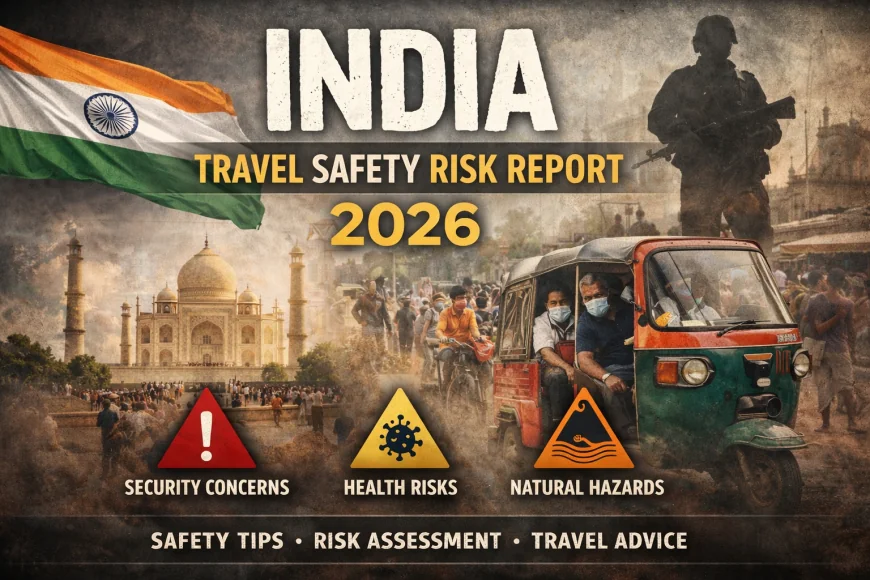
This Travel Safety Risk Report for India (2026) delivers a detailed, structured, and evidence-based assessment of the safety risks travelers may encounter. It evaluates political stability, crime, terrorism threats, transportation safety, women’s safety, health and hygiene conditions, natural disasters, cyber risks, and region-specific concerns.
Overall, India is generally safe for travel, particularly for well-prepared tourists who follow local guidance and cultural norms. Most risks are situational and regional rather than nationwide. The highest risks involve road safety, health and sanitation challenges, overcrowding, and gender-based harassment in certain areas. With proper planning and risk mitigation, travel across India can be both safe and highly rewarding.
1. Country Overview and Tourism Landscape
India is located in South Asia and is the world’s most populous country, with over 1.4 billion people. It is a federal republic consisting of 28 states and 8 union territories, each with distinct cultures, languages, and safety dynamics.
Key Tourism Segments
-
Cultural & heritage tourism (Delhi, Agra, Jaipur, Varanasi)
-
Spiritual tourism (Rishikesh, Bodh Gaya, Amritsar)
-
Beach tourism (Goa, Kerala, Andaman & Nicobar Islands)
-
Adventure tourism (Himachal Pradesh, Uttarakhand, Ladakh)
-
Medical and wellness tourism
-
Business and conference travel
Tourism infrastructure ranges from world-class to underdeveloped, making risk awareness essential.
2. Political Stability and Security Risks
2.1 Political Environment
India is the world’s largest democracy with relatively stable governance. However, political protests, regional unrest, and communal tensions can affect travel safety in specific locations.
Risk Level: Low to Medium
Key Concerns
-
Large-scale demonstrations and strikes
-
Localized communal or religious tensions
-
Regional insurgencies (limited areas)
Terrorism Risk
India faces a low to moderate terrorism risk, primarily localized to border regions and politically sensitive areas.
-
Major tourist areas are well-secured
-
Airports and transport hubs maintain high security standards
Risk Mitigation
-
Avoid protests and political gatherings
-
Monitor regional advisories
-
Follow local authority guidance
3. Crime and Personal Security
3.1 General Crime Situation
Violent crime against tourists is relatively rare, but petty crime is common in crowded areas.
Risk Level: Medium
Common Crimes
-
Pickpocketing
-
Bag snatching
-
Tourist scams
-
Overcharging and fraud
High-Risk Locations
-
Crowded railway stations
-
Popular markets
-
Budget tourist districts
Safety Tips
-
Keep valuables secure
-
Use hotel safes
-
Be cautious with unsolicited help
4. Women’s Safety and Gender-Based Risks
Women’s safety remains one of the most discussed travel concerns in India.
Risk Level: Medium to High (Location-dependent)
Common Issues
-
Verbal harassment
-
Staring and unwanted attention
-
Inappropriate behavior in crowded transport
Safety Recommendations for Women
-
Dress modestly according to local norms
-
Avoid isolated areas after dark
-
Use women-only transport options where available
-
Choose reputable accommodations
5. Transportation and Road Safety Risks
Transportation safety is one of the highest risk factors for travelers in India.
5.1 Road Safety
India has one of the highest numbers of road fatalities globally.
Risk Level: High
Causes
-
Poor road conditions
-
Aggressive driving
-
Weak enforcement of traffic laws
-
Overcrowded buses and vehicles
Safer Alternatives
-
Domestic flights for long distances
-
Trains (AC classes recommended)
-
App-based taxis in major cities
5.2 Rail and Air Transport
-
Rail network is extensive and generally safe
-
Air travel meets international safety standards
6. Health, Hygiene, and Medical Risks
6.1 Healthcare Infrastructure
India has advanced private healthcare facilities in major cities but limited services in rural regions.
Risk Level: Medium
Common Health Risks
-
Food and waterborne diseases
-
Dengue, malaria, chikungunya
-
Air pollution
-
Heat exhaustion
Health Safety Measures
-
Drink bottled or purified water
-
Eat freshly cooked food
-
Carry comprehensive travel insurance
7. Natural Disasters and Climate Risks
India is prone to a wide range of natural hazards.
7.1 Seasonal Risks
Risk Level: Medium to High (Seasonal)
-
Monsoon floods (June–September)
-
Cyclones in coastal regions
-
Landslides in hilly areas
7.2 Earthquake Risk
-
Moderate to high seismic risk in northern and northeastern regions
8. Environmental and Air Quality Risks
Air pollution is a major concern in several Indian cities.
High-Risk Cities
-
Delhi NCR
-
Kolkata
-
Mumbai (seasonal)
Mitigation Tips
-
Monitor AQI levels
-
Use N95 masks during high pollution periods
9. Digital and Cyber Safety
Online Risks
Risk Level: Medium
-
Public Wi-Fi vulnerabilities
-
Online booking scams
Cyber Safety Tips
-
Use secure payment gateways
-
Avoid public Wi-Fi for sensitive transactions
-
Verify travel agents
10. Regional Safety Assessment
North India
-
Political demonstrations possible
-
Extreme weather conditions
West India (Goa, Rajasthan)
-
Generally safe
-
High tourist density
South India
-
Lower crime rates
-
Better health infrastructure
Northeast India
-
Safe for travel
-
Limited infrastructure in remote areas
11. Safety for Business Travelers and Expats
India hosts a large expatriate community.
Risk Level: Manageable
-
Secure accommodations recommended
-
Corporate transport policies advised
12. Emergency Services and Tourist Support
-
National emergency number: 112
-
Dedicated tourist police in major destinations
13. Comparative Risk Index (South Asia)
| Country | Travel Safety Risk Level |
|---|---|
| Sri Lanka | Medium |
| Nepal | Low to Medium |
| Bangladesh | Medium |
| India | Medium |
14. Risk Mitigation Checklist for Travelers
-
Register with embassy
-
Avoid night road travel
-
Respect local customs
-
Stay updated on weather alerts
15. Future Outlook: Travel Safety in India (2026–2030)
India’s investment in infrastructure, digital policing, surveillance, and smart city initiatives is gradually improving traveler safety. Challenges such as climate change, urban overcrowding, and pollution will continue to influence risk levels.
Conclusion
India is a complex but rewarding travel destination. While it presents moderate safety risks, especially related to transport, health, and gender-based issues, most travelers experience safe journeys when they remain informed and cautious. This report concludes that India is suitable for tourism, business travel, and long-term stays when appropriate safety measures are taken.