Travel Safety Risk Report: Is Bangladesh Safe for Tourists in 2026
A comprehensive 2026 travel safety risk report on Bangladesh. Covers political stability, crime, transport safety, health risks, natural disasters, digital safety, and practical tips for local and foreign travelers.
 Mahfuz Hosen
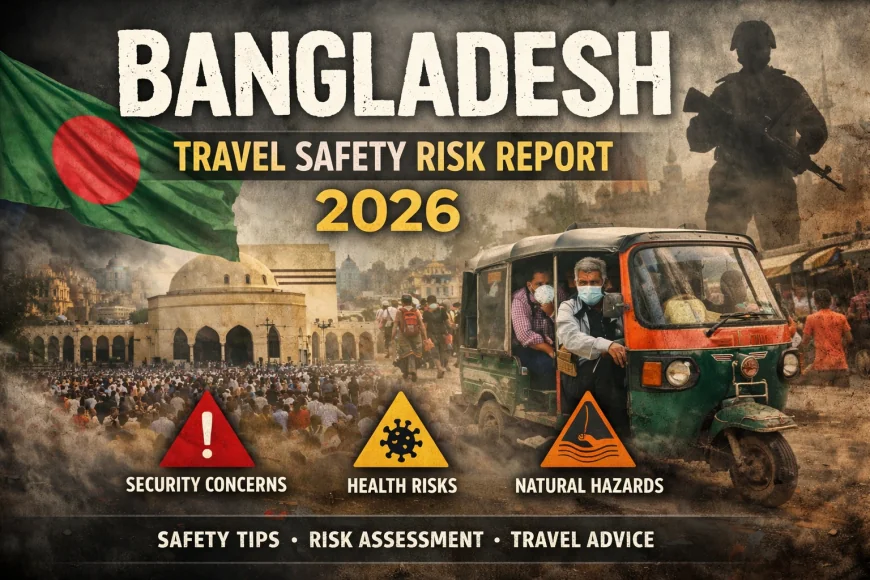
Bangladesh is one of South Asia’s most densely populated and culturally rich countries. From the world’s longest natural sea beach in Cox’s Bazar to the UNESCO World Heritage Site of the Sundarbans, the country attracts travelers seeking authenticity, affordability, and unique cultural experiences. However, like many emerging destinations, Bangladesh presents a mix of opportunities and challenges when it comes to travel safety.
This Travel Safety Risk Report for Bangladesh (2026) provides an in-depth, evidence-based analysis of the key safety concerns affecting domestic and international travelers. It evaluates political stability, crime levels, transportation risks, health and hygiene, natural disasters, cyber safety, and social factors. The goal is not to discourage travel, but to equip travelers, tour operators, investors, and policymakers with realistic risk assessments and practical mitigation strategies.
Overall, Bangladesh is generally safe for travelers who plan carefully, stay informed, and follow local guidance. Most safety risks are manageable and localized rather than systemic. However, infrastructure limitations, traffic hazards, climate-related disasters, and occasional political unrest require heightened awareness.
1. Country Overview and Tourism Context
Bangladesh is located in South Asia, bordered by India and Myanmar, with the Bay of Bengal to the south. It has a population exceeding 170 million, making it one of the most densely populated countries in the world.
Key Tourism Segments
-
Cultural & heritage tourism (Dhaka, Sonargaon, Mainamati)
-
Nature & eco-tourism (Sundarbans, Sylhet, Chittagong Hill Tracts)
-
Beach tourism (Cox’s Bazar, Kuakata, Saint Martin’s Island)
-
Religious tourism (Baitul Mukarram, Buddhist monasteries, Hindu temples)
-
Business & NGO travel
Tourism infrastructure is improving, but safety standards vary significantly between urban and rural areas.
2. Political and Social Stability Risks
2.1 Political Environment
Bangladesh operates under a parliamentary democracy, but political rivalry between major parties has historically resulted in protests, strikes (hartals), and occasional violence.
Risk Level: Medium
Key Concerns
-
Election periods can trigger nationwide unrest
-
Demonstrations may block roads and disrupt transport
-
Sporadic clashes between political groups
Safety Assessment
-
Tourists are rarely targeted directly
-
Risks increase during election cycles and major political events
-
Foreigners should avoid rallies, protests, and political gatherings
Risk Mitigation Tips
-
Monitor local news and embassy advisories
-
Plan flexible travel schedules
-
Avoid politically sensitive areas during unrest
3. Crime and Personal Security
3.1 General Crime Levels
Violent crime against tourists is relatively low. However, petty crime is a common concern, especially in crowded areas.
Risk Level: Low to Medium
Common Crimes
-
Pickpocketing in buses, trains, and markets
-
Bag snatching in congested urban areas
-
Tourist scams involving fake guides or inflated prices
High-Risk Areas
-
Crowded bus terminals
-
Railway stations
-
Popular markets in Dhaka and Chittagong
Safety Recommendations
-
Avoid displaying valuables
-
Use hotel safes
-
Travel in groups where possible
4. Transportation and Road Safety Risks
Transportation is the highest safety risk for travelers in Bangladesh.
4.1 Road Traffic Safety
Bangladesh has one of the highest road accident rates in South Asia.
Risk Level: High
Causes
-
Poor road conditions
-
Overcrowded vehicles
-
Lack of traffic law enforcement
-
Mixed traffic (buses, rickshaws, pedestrians)
Safer Transport Options
-
Ride-sharing services in major cities
-
Private cars with experienced drivers
-
Domestic flights for long distances
4.2 Rail and Water Transport
-
Train safety is moderate but delays are common
-
Ferries and launches can be risky during storms
5. Health, Hygiene, and Medical Risks
5.1 Healthcare Infrastructure
Healthcare quality varies widely.
Risk Level: Medium
Key Health Risks
-
Foodborne illnesses
-
Water contamination
-
Dengue and mosquito-borne diseases
-
Heat-related illnesses
Medical Access
-
Good private hospitals in Dhaka
-
Limited facilities in rural areas
Health Safety Tips
-
Drink bottled or filtered water
-
Avoid street food if unaccustomed
-
Carry travel health insurance
6. Natural Disaster and Climate Risks
Bangladesh is highly vulnerable to climate-related hazards.
6.1 Floods and Cyclones
Risk Level: High (Seasonal)
-
Monsoon flooding: June–September
-
Cyclones: Coastal regions
6.2 Earthquake Risk
-
Moderate seismic risk
-
Infrastructure not fully earthquake-resistant
Disaster Preparedness
-
Follow local authority warnings
-
Avoid coastal travel during cyclone alerts
7. Women’s Safety and Social Considerations
Women travelers generally report verbal harassment rather than physical threats.
Risk Level: Medium
Cultural Context
-
Conservative dress norms
-
Limited nightlife
Safety Advice for Women
-
Dress modestly
-
Avoid isolated areas at night
-
Use trusted transport
8. Digital and Cyber Safety
8.1 Online Risks
Risk Level: Medium
-
Public Wi-Fi vulnerabilities
-
Online booking scams
Cyber Safety Tips
-
Use VPNs
-
Avoid public Wi-Fi for banking
-
Verify booking platforms
9. Environmental and Food Safety Risks
-
Air pollution in Dhaka is severe during winter
-
Food hygiene standards vary
Recommendations
-
Wear masks in polluted areas
-
Eat at reputable restaurants
10. Regional Safety Assessment
Dhaka
-
Crime: Medium
-
Traffic: High risk
Cox’s Bazar
-
Generally safe
-
Seasonal overcrowding
Sylhet
-
Low crime
-
Good for eco-tourism
11. Safety for Business and NGO Travelers
Bangladesh hosts thousands of foreign professionals.
Risk Level: Manageable
-
Secure accommodations
-
Corporate transport policies recommended
12. Emergency Services and Support
-
National emergency number: 999
-
Tourist police units in major areas
13. Comparative Risk Index (South Asia)
| Country | Travel Safety Risk Level |
|---|---|
| Sri Lanka | Medium |
| India | Medium |
| Nepal | Low to Medium |
| Bangladesh | Medium |
14. Risk Mitigation Checklist for Travelers
-
Register with embassy
-
Carry copies of documents
-
Avoid night road travel
-
Monitor weather alerts
15. Future Outlook: Travel Safety in Bangladesh (2026–2030)
With investments in infrastructure, digital policing, and tourism development, Bangladesh’s safety outlook is gradually improving. Climate change remains the most serious long-term threat.
Conclusion
Bangladesh is not a high-risk destination, but it is not risk-free. Travelers who approach the country with awareness, preparation, and cultural sensitivity can enjoy a rewarding and safe experience. This report concludes that Bangladesh is suitable for tourism, business, and long-term travel when proper safety measures are followed.
Next Destina prepared a report for all travelers for an evidence-based safety assessment of Bangladesh in 2026.